
- २०८३ असोज ५ सोमबार
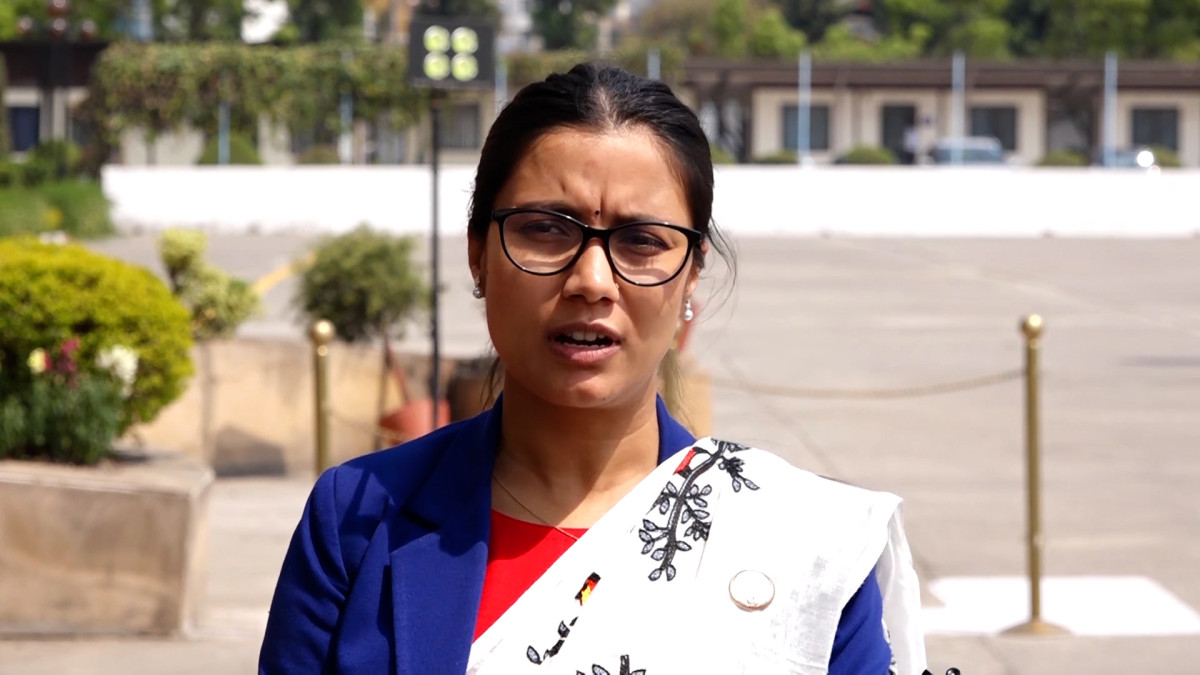
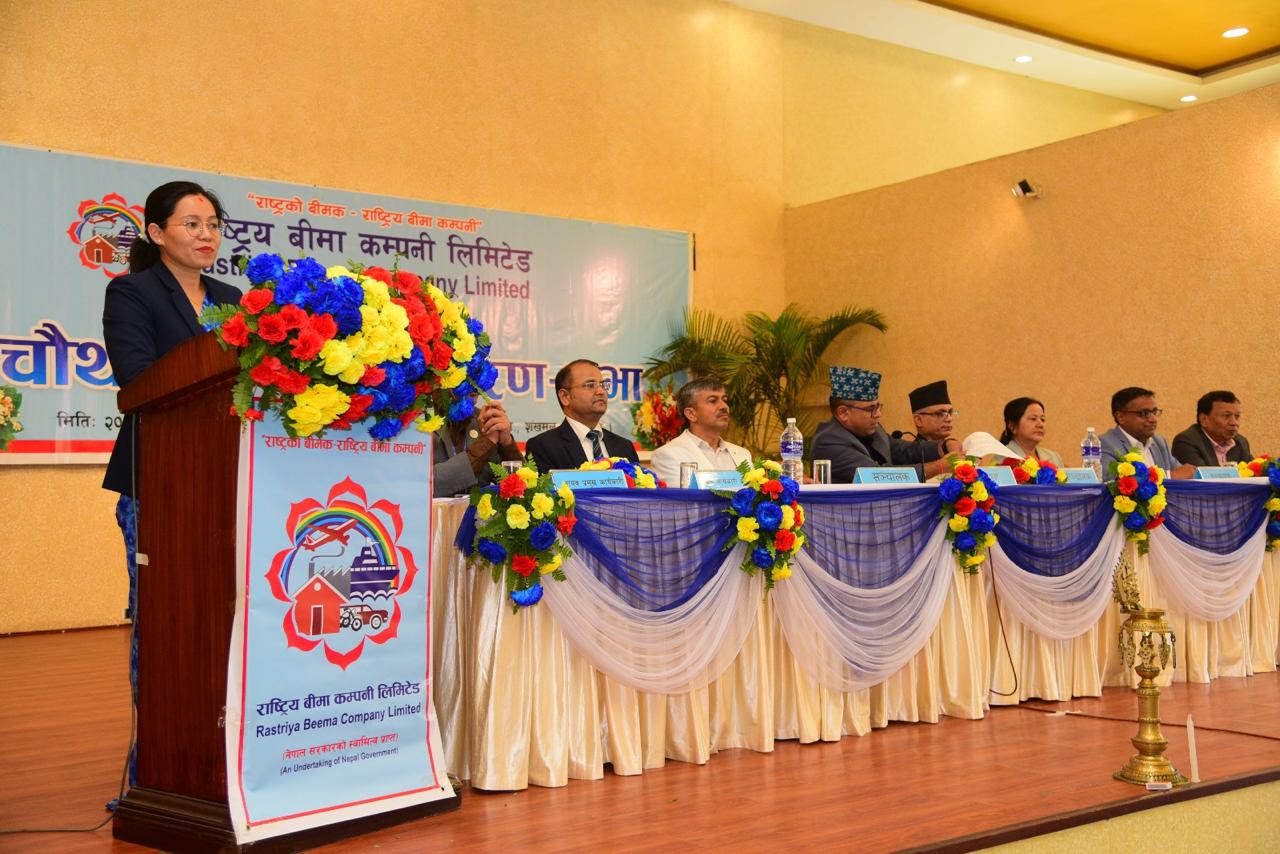
Kathmandu, Aug 10: Minister for Law, Justice, and Parliamentary Affairs, Sobita Gautam, has stressed that journalists’ role is vital to amplify voices and concerns of indigenous and marginalized communities.
Addressing an inaugural session of the third International Indigenous Language Journalism Conference here today, the Minister highlighted the roles of journalists in informing citizens on the State’s efforts regarding the promotion of indigenous languages and thus bridging the gap between the state and the people.
According to the Minister, the promotion of mother tongues is not possible just by practicing it at home, in school and in the community, they should also be documented and practiced in journalism as well.
She said the government is committed to providing cooperation and coordination in the protection of the mother tongue and the development of journalism based on such languages.
She also utilized time to urge the stakeholders concerned to give necessary suggestions to the government in regard with efforts should be undertaken at the official level to the development of journalism based on mother tongues.
Nepali Congress (NC) parliamentary party’s whip Nishcal Rai stressed that the State should be sensitive and serious about the issues of indigenous nationalities. According to him, collective efforts are absolutely necessary to establish all forms of civic rights.
CPN (UML) lawmaker Kshitiz Thebe was of the view that State’s failure to address the issues of indigenous and marginalized communities properly for long is one of the reasons pushing the country into the status of the Least Developed Country (LDC).
Prof. Dr Kundan Aryal, Head of Department of Mass Communication and Journalism, Tribhuvan University said that Nepal’s journalism has well acknowledged the country’s cultural diversity and it has been a witness to every transformations in the country.
Dr Nirmalmani Adhikari, Chief of the Department of Language and Mass Communications, Kathmandu University, proposed an approach in which all languages and ethnic communities could live together.
The three-day event themed “The Foundation of Prosperity, Fully Inclusive Communication” is organised by the Federation of Nepalese Indigenous Nationalities Journalists ‘ FoNIJ’ and coordinated by the National Forum of Newar Journalists (NFNJ) also known as Newa Patrakar Rastriya Dabu.
Federal lawmakers, government and non-government organisations relating to indigenous nationalities, representatives from the Federation of Nepali Journalists (FoNIJ), and from the SAARC Journalists’ Forum are attending the event.
According to FoNIJ General Secretary Samir Balami, the event will see discussions between thematic experts and journalists in sessions including ‘ Indigenous Agriculture, Food Security, Indigenous Knowledge Context and Relationship with Forests’, ‘ Journalism on Indigenous Language, Mother Tongue Journalism in Government Media and the Status of Private Media’, ‘Mother Tongue Journalism, Climate Change, Forest Management, State Policies, Practices and Indigenous Communities’.
About 300 journalists from home, 35 from India and Bangladesh, and journalists (virtual participation) from 27 countries are attending the Conference, said NFNJ President Nripendralal Shrestha.




© 2026 All right reserved to arthanepal.com | Site By : Sobij